
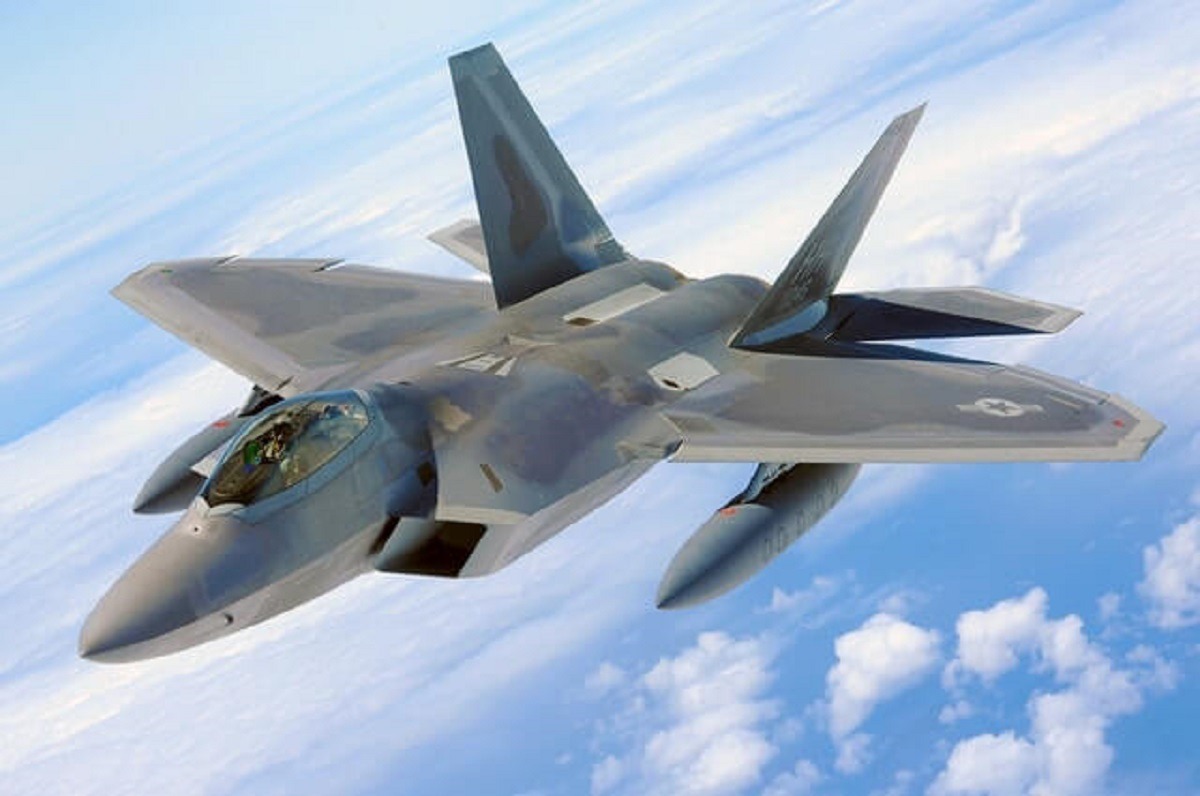
The Air Force Act, 1950 stands as one of the most significant pillars of India’s military legal system, specifically designed to regulate the conduct, discipline, and overall functioning of personnel serving in the Indian Air Force. Unlike general civil laws that apply to the public at large, this Act establishes a specialized legal framework tailored to meet the unique demands of military service, where discipline, obedience, and operational readiness are of utmost importance.
Enacted shortly after India’s independence, the Act ensures that Air Force personnel operate under a structured system of accountability while also safeguarding their legal rights. It reflects a balance between maintaining strict military discipline and providing a fair mechanism for justice, which is essential for the effective functioning of a defense force responsible for protecting national sovereignty.
Purpose and Significance of the Air Force Act
The primary purpose of the Air Force Act, 1950 is not merely to impose rules but to create a disciplined environment where every individual understands their responsibilities and the consequences of failing to meet them. In a defense organization where even a minor lapse can have serious national security implications, the importance of a strong legal framework cannot be overstated.
This Act plays a vital role in ensuring that all personnel adhere to a uniform code of conduct, thereby maintaining order and operational efficiency. It also provides a clear system for addressing grievances, resolving disputes, and taking action against misconduct, which ultimately strengthens the integrity and reliability of the Air Force as an institution.
Scope and Applicability of the Act
The Air Force Act, 1950 applies broadly to all individuals who are officially enrolled in the Indian Air Force, including officers, airmen, and certain categories of personnel associated with the force. What makes this Act particularly powerful is its applicability beyond geographical boundaries, meaning that Air Force personnel remain subject to its provisions whether they are stationed within India or deployed abroad.
In certain situations, even civilians who are working in close association with the Air Force may fall under the purview of this Act, especially when their actions directly impact military operations or discipline. This wide scope ensures that there are no gaps in accountability and that the standards of discipline are uniformly maintained.
Discipline and Code of Conduct in the Air Force
Discipline is the backbone of any military organization, and the Air Force Act, 1950 places a strong emphasis on maintaining it at all levels. Personnel are expected to follow orders without hesitation, respect the chain of command, and perform their duties with utmost dedication and integrity.
The Act clearly outlines what constitutes misconduct, ranging from minor infractions to serious violations such as disobedience, insubordination, or dereliction of duty. Even actions that may seem insignificant in a civilian context can be treated as serious offences under military law if they disrupt discipline or operational efficiency.
By enforcing a strict code of conduct, the Act ensures that the Air Force operates as a cohesive and highly efficient unit, capable of responding swiftly and effectively to any situation.
Understanding Offences Under the Air Force Act
The Air Force Act categorizes offences in a detailed manner to ensure that every type of misconduct is addressed appropriately. These offences are not limited to traditional crimes but also include violations specific to military life.
For instance, absence without leave, failure to obey lawful commands, and behavior unbecoming of an officer are treated as serious breaches of discipline. In more severe cases, offences such as desertion, mutiny, or actions that compromise national security can attract stringent penalties.
What makes the Act unique is its ability to treat both civil and military offences within a unified legal framework, ensuring that no act of wrongdoing goes unaddressed.
Punishments and Consequences
The Air Force Act, 1950 provides a comprehensive system of punishments that are proportionate to the severity of the offence committed. These punishments are designed not only to penalize the offender but also to serve as a deterrent to others.
Depending on the nature of the violation, penalties may range from reprimands and reduction in rank to dismissal from service and imprisonment. In cases involving grave misconduct, the consequences can be extremely serious, reflecting the high standards expected from military personnel.
Such a structured approach to punishment ensures that discipline is maintained without compromising fairness or justice.
Court-Martial System: The Backbone of Military Justice
One of the most important features of the Air Force Act, 1950 is the establishment of the court-martial system, which serves as the primary mechanism for delivering justice within the military framework. Unlike civilian courts, court-martial proceedings are specifically designed to address the unique nature of military offences.
These proceedings follow a structured process that includes investigation, framing of charges, trial, and judgment. Despite being a military system, court-martials are conducted with a strong emphasis on fairness, ensuring that the accused is given a proper opportunity to defend themselves.
The existence of such a system reinforces the principle that while discipline is strict, justice is not compromised.
Rights and Legal Protections of Air Force Personnel
While the Air Force Act imposes strict obligations, it also provides important legal protections to personnel. Every individual has the right to a fair trial, the right to present evidence, and the right to seek legal representation during proceedings.
Additionally, provisions for appeal ensure that decisions can be reviewed, thereby reducing the chances of injustice. These safeguards highlight the balanced nature of the Act, which aims to maintain discipline without disregarding the fundamental rights of individuals.
Role of Commanding Officers and Authorities
Commanding officers play a crucial role in enforcing the provisions of the Air Force Act, 1950. They are entrusted with the responsibility of maintaining discipline, ensuring compliance, and taking necessary action when violations occur.
Their authority extends to initiating investigations, recommending disciplinary measures, and overseeing the conduct of personnel under their command. This centralized system of authority ensures quick decision-making and effective implementation of rules, which is essential in a military environment.
Importance of Legal Awareness for Air Force Personnel
Understanding the Air Force Act, 1950 is not just important for legal professionals but also for the personnel themselves. Awareness of rights, duties, and legal procedures can help individuals avoid unintentional violations and respond effectively in case of legal issues.
For families of Air Force personnel as well, having a basic understanding of the Act can be beneficial, especially when dealing with service-related disputes or legal challenges.
Conclusion
The Air Force Act, 1950 is much more than a set of legal provisions; it is a structured framework that upholds discipline, accountability, and justice within the Indian Air Force. It ensures that the force remains strong, efficient, and prepared to safeguard the nation under all circumstances.
At the same time, the Act protects the rights of personnel by providing a fair and transparent legal system, making it a balanced and essential component of India’s defense structure. For anyone associated with the Air Force, understanding this law is crucial, as it directly influences their duties, responsibilities, and legal protections throughout their service.