
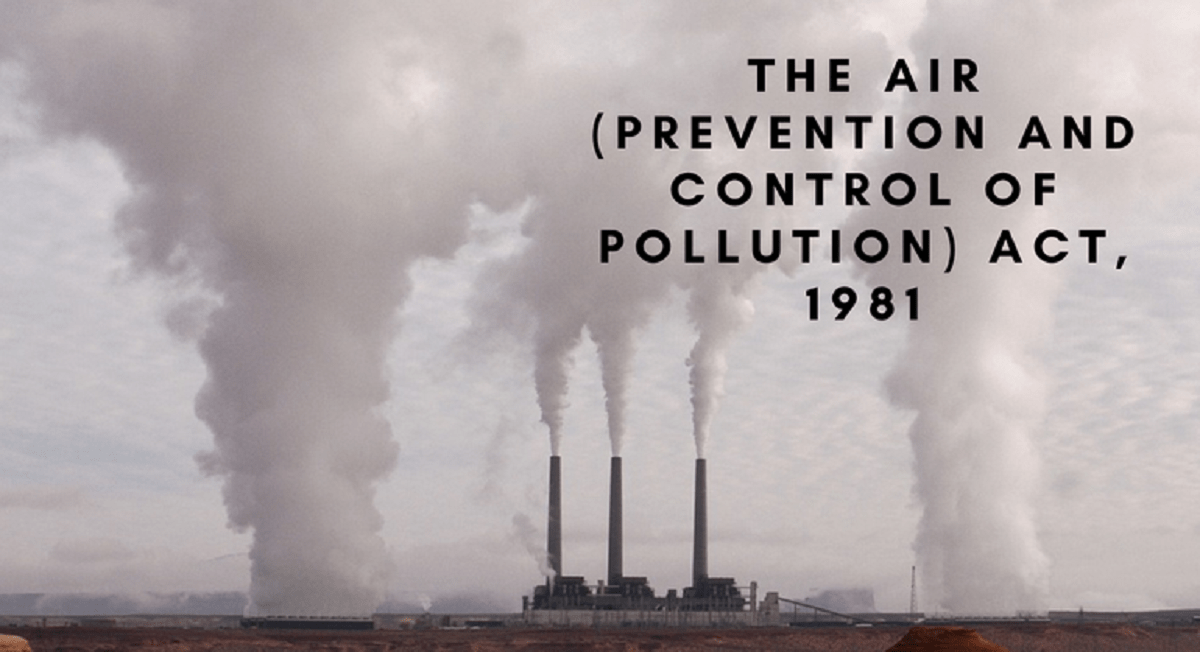
Detailed Scope of the Air (Prevention and Control of Pollution) Act, 1981
The Air (Prevention and Control of Pollution) Act, 1981 is not limited to industrial pollution alone. Its scope extends to vehicular emissions, fuel quality, construction activities, and urban pollution sources.
The Act empowers both central and state authorities to take preventive, corrective, and punitive measures to ensure clean air standards are maintained across India.
It also works in coordination with other environmental laws such as:
- Water (Prevention and Control of Pollution) Act, 1974
- Environment Protection Act, 1986
This integrated framework ensures holistic environmental governance
Functions of Pollution Control Boards
Central Pollution Control Board (CPCB)
The Central Pollution Control Board performs advanced regulatory and advisory functions such as:
- Setting national air quality standards
- Conducting environmental research and development
- Providing technical guidance to industries
- Publishing pollution reports and data
- Coordinating nationwide pollution control programs
State Pollution Control Boards (SPCBs)
SPCBs act as the primary enforcement agencies at the ground level. Their responsibilities include:
- Granting Consent to Establish (CTE) and Consent to Operate (CTO)
- Monitoring industrial emissions through inspections
- Taking action against polluting units
- Issuing notices and penalties
- Conducting environmental awareness programs
Air Quality Standards in India
The CPCB has established National Ambient Air Quality Standards (NAAQS) to regulate permissible pollutant levels.
Major Air Pollutants Covered
- PM10 and PM2.5 (Particulate Matter)
- Sulphur Dioxide (SO₂)
- Nitrogen Oxides (NOx)
- Carbon Monoxide (CO)
- Ozone (O₃)
Industries and urban authorities must ensure emissions stay within these limits to avoid legal consequences.
Consent to Establish (CTE) & Consent to Operate (CTO)
Consent to Establish (CTE)
- Required before setting up any industrial unit
- Ensures location and setup comply with environmental norms
Consent to Operate (CTO)
- Required before starting operations
- Confirms pollution control measures are in place
Failure to obtain these approvals can lead to immediate shutdown orders.
Inspection and Enforcement Mechanism
Authorities under the Act have wide powers to ensure compliance:
- Enter and inspect industrial premises
- Examine equipment and processes
- Collect air samples for testing
- Issue show-cause notices
If violations are found, authorities can take strict legal action without delay.
Offences and Legal Liabilities Under the Act
Types of Violations
- Operating without consent
- Exceeding emission limits
- Tampering with monitoring equipment
- Ignoring pollution control norms
Legal Consequences
- Criminal prosecution
- Heavy financial penalties
- Imprisonment
- Closure of business operations
Directors and company officials can also be held personally liable.
Role of Judiciary in Air Pollution Cases
Indian courts have played a major role in strengthening environmental laws.
The Supreme Court of India has issued several landmark judgments to:
- Control vehicular pollution
- Ban hazardous industrial activities
- Enforce environmental compliance
Courts often adopt a strict approach to protect public health and the environment.
Challenges in Implementation of the Air Act
Despite strong legal provisions, implementation faces several challenges:
- Lack of monitoring infrastructure
- Increasing urban pollution
- Industrial non-compliance
- Delays in legal proceedings
- Limited public awareness
Addressing these issues requires strong enforcement and public participation.
Recent Developments & Government Initiatives
The Indian government has introduced several initiatives to strengthen air pollution control:
- National Clean Air Programme (NCAP)
- Promotion of electric vehicles (EVs)
- Stricter emission norms (BS-VI standards)
- Real-time air quality monitoring systems
These efforts complement the Air Act and enhance its effectiveness
How Businesses Can Stay Fully Compliant
- Conduct regular environmental audits
- Install advanced pollution control systems
- Maintain proper documentation
- Train staff on compliance requirements
- Seek professional legal guidance
Proactive compliance not only avoids legal issues but also improves brand reputation and sustainability.
Legal Process for Handling Pollution Notices
If your business receives a notice under the Act:
Step 1: Analyze the Notice
Understand the nature of the violation.
Step 2: Gather Documents
Collect compliance records and approvals.
Step 3: File a Reply
Submit a proper legal response within the deadline.
Step 4: Rectify Issues
Fix any non-compliance immediately.
Step 5: Legal Representation
If required, represent your case before authorities or courts.
Why Environmental Compliance is Crucial for Businesses
Ignoring environmental laws can result in:
- Business shutdown
- Loss of licenses
- Financial penalties
- Damage to brand reputation
On the other hand, compliance helps in:
- Building trust
- Attracting investors
- Ensuring long-term growth
How Top Legal Help Assists You
At Top Legal Help, we provide end-to-end environmental legal services:
- Pollution control approvals (CTE & CTO)
- Drafting legal replies to notices
- Representation before pollution boards
- Court case handling
- Compliance audits
Extended Conclusion
The Air (Prevention and Control of Pollution) Act, 1981 is a cornerstone of India’s environmental legal system. With rising pollution levels, strict compliance is no longer optional—it is a legal necessity.
Whether you are an industrial owner, startup, or established company, understanding this law and taking timely action can save you from serious legal consequences.
In addition, staying compliant helps businesses build a responsible and sustainable brand image, which is increasingly important in today’s regulatory environment. Proactive environmental compliance also reduces the risk of sudden shutdowns, legal notices, and financial losses. By aligning your operations with pollution control norms, you not only protect your business but also contribute to a cleaner and healthier future